Pixar have brought us some of our most beloved and memorable childhood movies; even as we graze into adulthood and beyond, the familiar stories and characters that Pixar introduced us to all those years ago still give us that warm feeling, indistinguishable from home cooking and the music of our youth.
Pixar and childhood go hand in hand, but, like ourselves and the inevitable pull of growth that comes with time, Pixar has evolved, and, now, looking back at the earlier projects from the animation giant, it's quite extraordinary to see how far they’ve come.
Let’s start where it all began. Let’s talk about Toy Story.

via: imdb.com
We hope you find these products as awesome as we do. Just an FYI: We are a participant in the Amazon affiliate program, and may receive a share of sales from links on this page. Prices on Amazon fluctuate so anything mentioned below might change as soon we publish it!
Before Buzz and Woody flew onto our screens in 1995, we had never seen an animation like it. Pre-Toy Story, we had never heard of "computer-animation" or, as it is more commonly known, "computer-generated imagery" (CGI). These CGI rendering techniques used by Pixar were unique to the movie.What was so different about CGI?
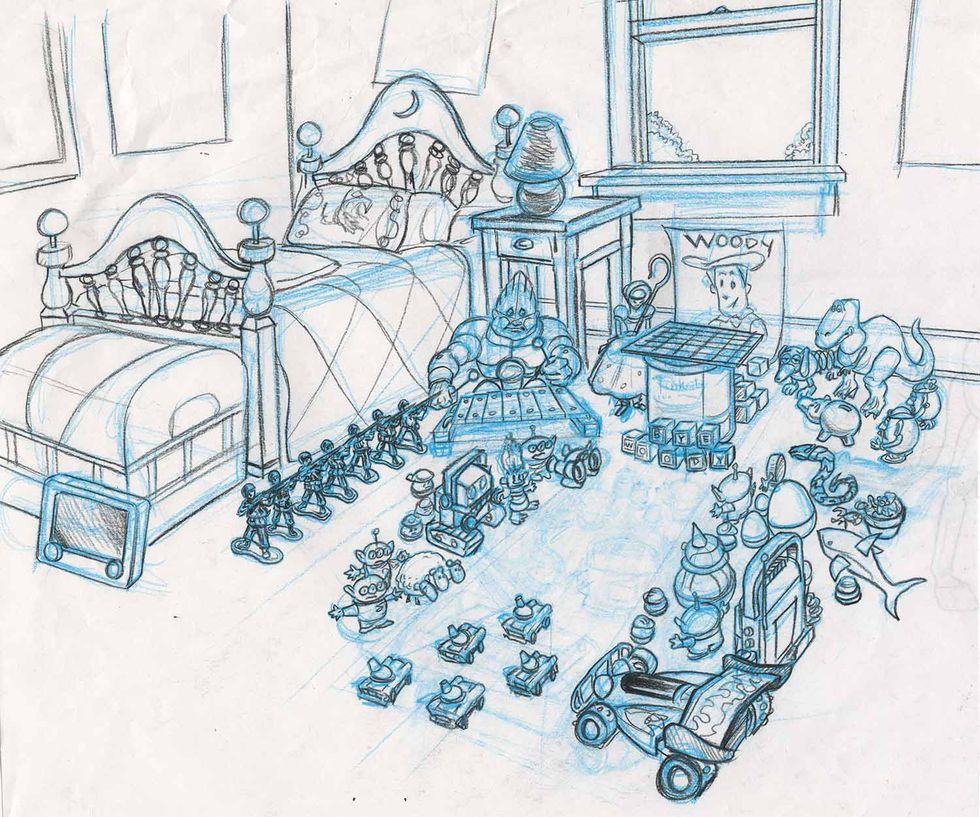
via: Pixar.com
Truth be told, Pixar were not, in fact, the first set of cowboys to dabble in the computer-generated imagery rodeo, but Toy Story (1995) was the first feature-length film to be solely made using the format. Computer-animation is the term given to the process of digitally generating animated images. One way of looking at it is as the digital successor to the previously used stop motion techniques reliant on 3D models and the traditional animation techniques of creating moving images through frame-by-frame animation of 2D illustrations.What made CGI the exciting new development of the age?
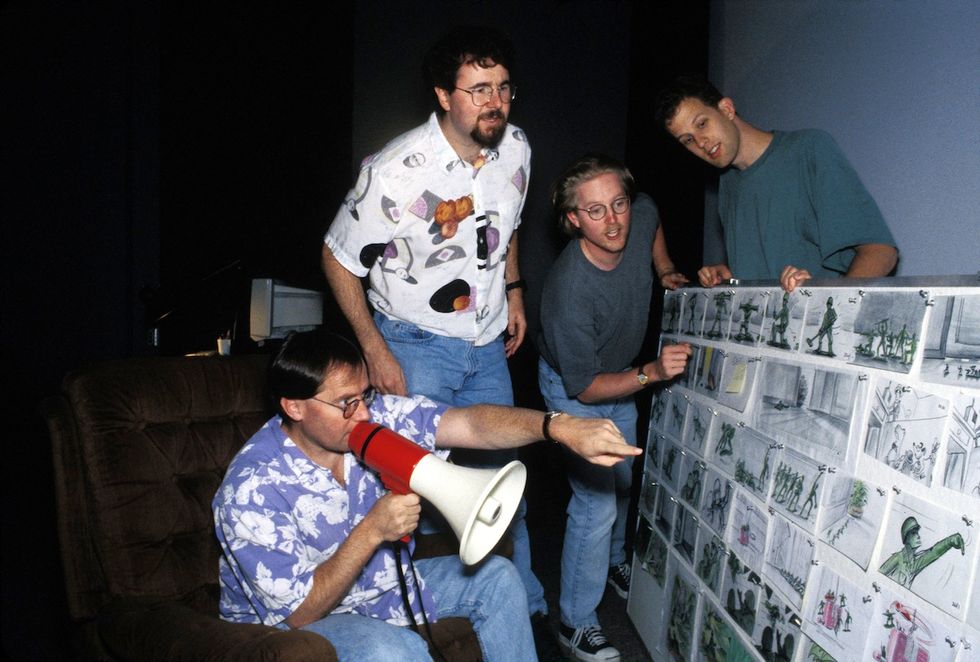
via: Deborah Coleman/ Pixar- From the collection of Walt Disney photo archives
Well, to explain this, we have to get a bit scientific. The human eye and brain will only be tricked into thinking that an object is moving in a smoothly life-like way when pictures run at about twelve frames per second. Anything below twelve frames per second will reveal giveaway signs of jerkiness, destroying the illusion of fluid motion. Hand-drawn animation typically ran on fifteen frames per second, whereas the dawn of CGI brought animation to speed up to the much superior rate of twenty-four, twenty-five, or thirty frames per second.Following the innovation of the first Toy Story movie, Pixar came on leaps and bounds.
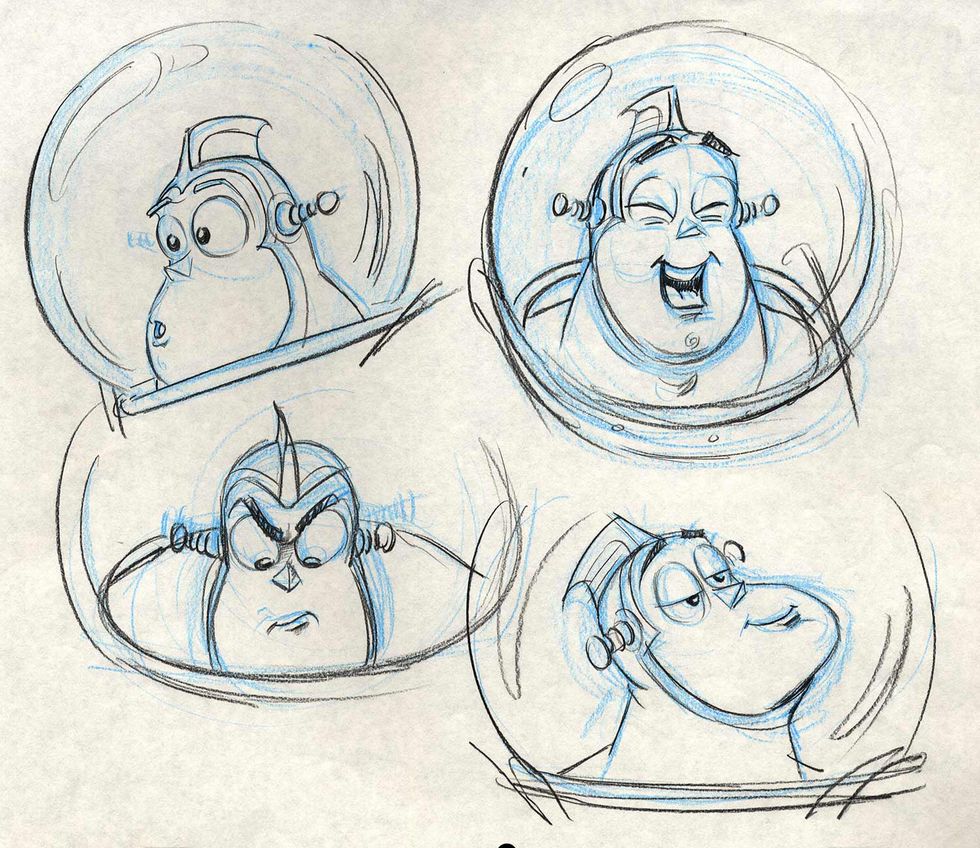
via: PIxar.com
Naturally, with any beta model, by the time that the second installment of the Toy Story franchise came round, the software had come on in leaps and bounds.Let's start with humans.
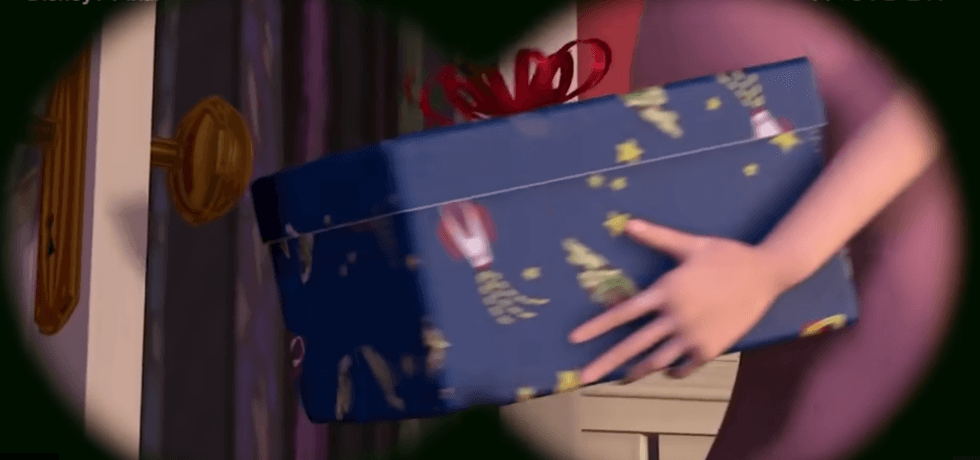
via: MovieInsider
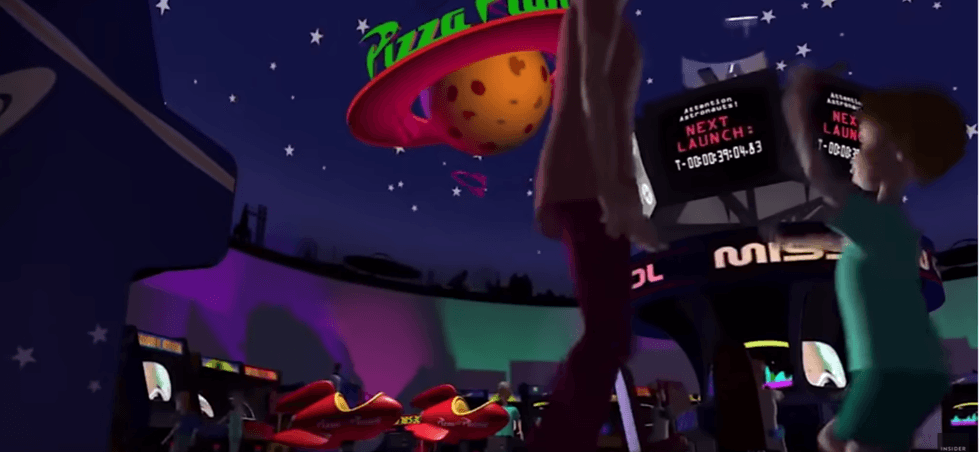
In the first Toy Story movie, Pixar hadn't fully figured out how to animate human characters. Animating clothes was incredibly time-consuming. If you look back at the original movie, you'll see that they got around this by mostly showing hands and feet. This works well for Toy Story as it gives the movie the feel of being from the perspective of the toys.Dimly lit human characters.
via: MovieInsider
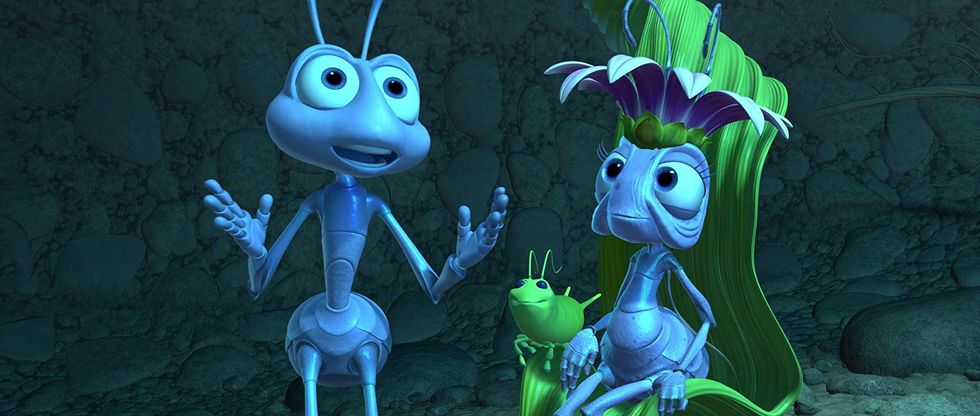
Pixar also got around the issue of developing human animations by choosing to not fully light characters, so that you wouldn't notice any missing details. This works extremely well, and, unless you were looking for it, it's unlikely that you'd notice.Working on A Bug's Life (1998) before Toy Story 2 (1999), gave Pixar a chance to work on the issues.
via: Imdb.com
Smoothness was a key element that the animators were able to improve on by working on A Bug's Life. Bug's Life allowed the animators to practice on the smoothness with all of the different kinds of textures used to make the bugs in the movie.Comparing the humans in both movies, you can really see the difference.
 Comparing the human likeness of original Toy Story villain, Sid, and the Toy Story 2 villain, Al, we can see how far the animators had come.
Take Andy's fashion for instance...
 In the first Toy Story installment, Andy wears a pretty basic outfit; by Toy Story 2, the animators became much more adventurous when it came to what clothes they kitted out the toy-owning boy in.
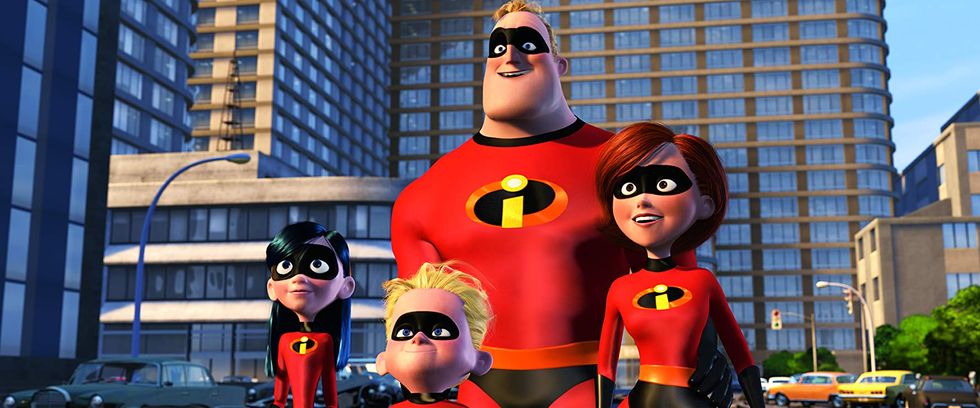
Despite the improvements, Pixar wasn't ready for a fully human cast until 2004.
via: Imdb.com
We witnessed Pixar's first fully-human cast in 2004 with the first installment of the family-based superhero movie, The Incredibles.Before perfecting human animation, Pixar dabbled in the medium of monsters.
via: Imdb.com
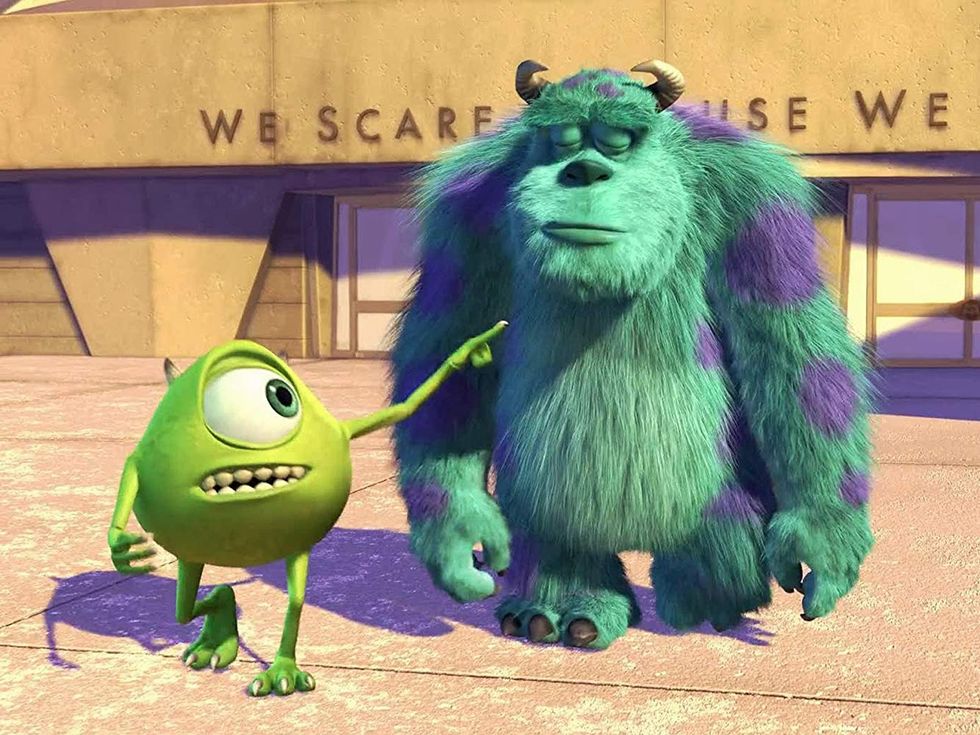
In 2001, Pixar brought out the first Monsters, Inc movie. This feature-length animation, which followed the story of monsters who scare children to power their city, gave the animators at Pixar a chance to practice a few things.